This
is "The Finest Stuff" 100% Organic: Authentic Pine Tar also
referred as Stockholm tar is a pure, natural wood preservative made
in Sweden. Pine Tar has been used since ancient times for creating
a water repellent vapor barrier on wood and rope and for its gentle
antiseptic effect. Pine Tar is used for wood preservation on utility
and fence poles, cottages, splint roofs, boats et cetera. Pine Tar
is an excellent wood preservative and substitute for pressure treated
wood. Works well for preserving wood used underground. Use
this recipe to thin Pine Tar with Purified
Organic Raw Linseed Oil. Mix 50/50 and apply warm. Note:
do not apply on skin.
Authentic Pine Tar Application Suggestions: Black Pine Tar on Exterior Barn Siding
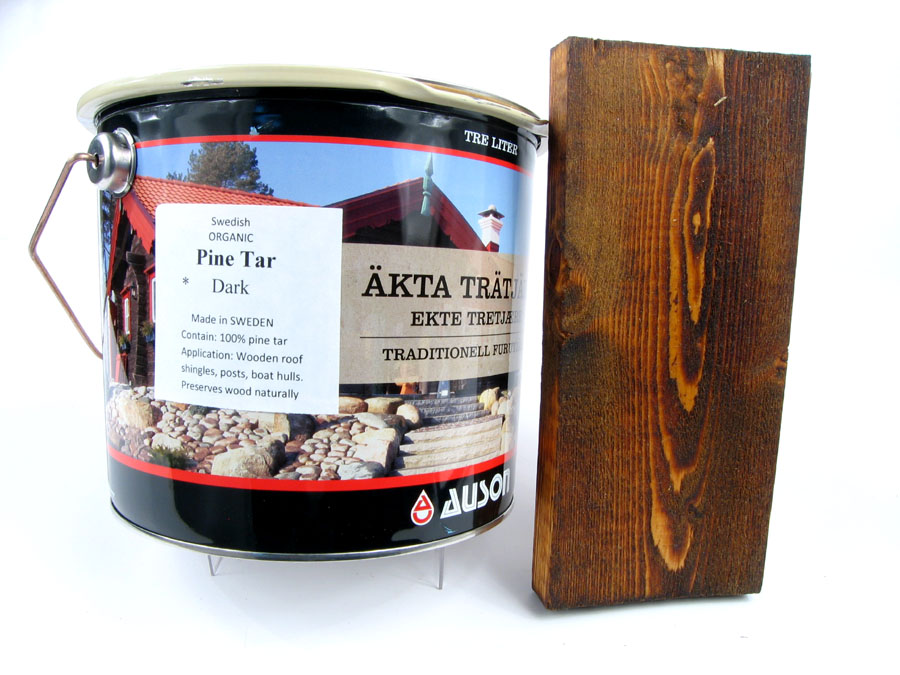
Pine Tar "Dark"
Pine Tar must have some Purified
Raw Linseed Oil mixed in to be an effective UV wood protection.
It is a better way to create a lighter color by adding less
pine tar. Pine Tar "Dark" offers better UV and better
protection compared to a light pine tar.
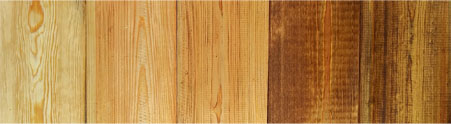
Sample boards from left:
1 - 10% Pine tar mixed with 90% Purified Raw Linseed oil.
2.- 20% Pine tar mixed with 80% Purified Raw Linseed oil.
3 - 30% Pine tar mixed with 70% Purified Raw Linseed oil.
4 - 40% Pine tar mixed with 60% Purified Raw Linseed oil.
5 - 50% Pine tar mixed with 50% Purified Raw Linseed oil.
Now Available! Pre mixed - 5 Gallon
PRE-MIXED 50/50 Dark Pine Tar and Purified
Raw Linseed Oil. Warm, mix well and apply with
a brush. 5 Gallon. See sample above.
Light in color. Excellent wood preservative when mixed with our purified raw linseed oil. Great for soap making.
NOTE: Left sample 50/50 mixed with purified raw linseed oil. Right sample 100% undiluted.
AVAILABLE COMMERCIAL SOAP MAKER DISCOUNT.
(Reserve the right to determine eligibility)
Mother of all coatings, used for hundreds of years and 100% natural.
Free of Petrochemical oil and preservatives of any kind.
Natural Pine Tar slowly roasted from resinous pine roots.
Made in the old tradition of using wood to heat the pine roots slowly to extract the tar.
Available: 100% or mixed with purified raw linseed oil that will prevent the wood from checking, create a great UV protection and is very durable. Breathable, will not cause wood rot when maintained and inexpensive.
Contains the natural terpene found in resinous pine roots. No Petrochemical VOC. Pine tar is antimicrobial, antiseptic and a disinfectant.
100% Wood Fired Pine Tar - 5 Gallon Pail
# ARK605 Price $345.00
Sample Size: 16 oz
# ARK605016 Price $18.00
Pine Tar Mixed with Purified Raw Linseed Oil 50/50 - 5 Gallon Pail
# ARK605 Price $330.00
Wood Fired Pine Tar Mixed with Purified Raw Linseed Oil 50/50 - 5 Gallon Pail
# ARK60550 Price $330.00
Sample Size - 16 Oz.
#ARK6055016 Price $18.00
5oz Pine Tar Olive Bar Soap for Pine Tar Lovers!
NEW! Extraordinarily Moisturizing. For bath and shower.
This is the real thing made with dark pine tar and olive oil.
Hand made from scratch in the USA. This pine tar soap is durable,
vegan and comfortable. No GMO's, colorants or perfumes added.
# 852048002269 Price: $9.95
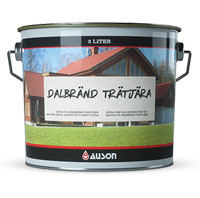
Dalburnt Pine Tar
Dalburnt Pine Tar is a pure, natural product with a low content of pitch, high resin content and high purity.
Kiln Burned Pine Tar is a high performance tar especially
for medical purposes but also for veterinary use as well as
for wood and wood preservation.
Dalburnt Pine Tar is used as an ingredient in shampoos, soaps,
expectorants and in ointments against allergic rash, psoriasis
and eczema, among others.
Heat up the Pine tar to 50 – 60 °C in a water bath
and mix with purified raw Linseed Oil to make the material
thinner and easier to apply. You will also achieve a better
finish and increase the penetration of the wood. Apply only
a thin layer of Pine Tar when treating your wooden surface
for a best result
Dalburnt
Pine Tar- 0.85 Gallon / 3 Liters
# 60200 Price $110.00
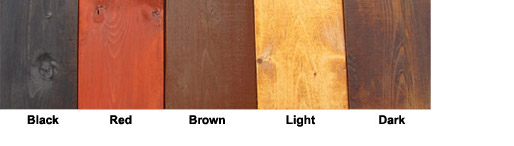
Red Pine Tar Stain
RED PINE TAR STAIN is a very old Swedish tradition for surface
treatment of wooden buildings, outdoor wooden structures,
and wooden boats. Pine Tar Stain provides fantastic protection
for wood in damp or humid climates as well as in dry and sunny
areas. Mix 50% with organic raw linseed oil.
Red
Pine Tar Stain - 0.85 Gallon / 3 Liters
# 6300 Price: $84.00
New! ! Red Pine Tar Stain - 9 Liters / 2.5 Gallon
NEW Red pine tar in 9 Liter / 2.5 gallon cans
# 60510556 Price: $295.00
Now Available! Pre-mixed - RED PINE TAR - 5 Gallon
PRE-MIXED 50/50 RED PINE TAR Tar and Purified Raw Linseed Oil. Warm, mix well and apply with a brush. 5 Gallon pail.
# 63009200 Price: $355.00
BLACK-BROWN PINE TAR is a Back Pine Tar with a touch of Brown. Black-Brown Pine Tar produces a black color that is slightly softer than pure Black Pine Tar. We call Black-Brown Tar "the architects' choice". It provides the same protection against wood decay and mold as all our other Pine Tar paint and stains. The softer Brown-Black color is compatible with modern as well as old wooden buildings. Can be used for fences, boathouses and wooden boats etc.
Always mix the pine tar with up to 50% Purified Raw Linseed Oi. Purified linseed oil will greatly reduce or eliminate wood checking over time. No solvent needed when applied warm. Heating the mixture will thin it out eliminating any need for solvents.
Black-Brown
Pine Tar Stain - 0.85 Gallon / 3 Liters
# 6250 Price: $89.00
Brown Pine Tar Stain NEW!
BROWN PINE TAR STAIN is a very old Swedish tradition for surface
treatment of wooden buildings, outdoor wooden structures,
and wooden boats. Pine Tar Stain provides fantastic protection
for wood in damp or humid climates as well as in dry and sunny
areas. Mix 50% with organic raw linseed oil.
Brown
Pine Tar Stain - 0.85 Gallon / 3 Liters
# 6053 Price: $84.00
Now Available! Pre mixed - BROWN PINE TAR - 5 Gallon
PRE-MIXED 50/50 BROWN PINE TAR Tar and Purified Raw Linseed Oil. Warm, mix well and apply with a brush. 5 Gallon pail.
# 60539200 Price: $355.00
BLACK PINE TAR STAIN is a very old Swedish tradition for
surface treatment of wooden buildings, outdoor wooden structures,
and wooden boats. Pine Tar Stain provides fantastic protection
for wood in damp or humid climates as well as in dry and sunny
areas. Mix 50% with organic raw linseed oil.
New! ! Black Pine Tar Stain - 9 Liters / 2.5 Gallon
NEW Black pine tar in 9 Liter / 2.5 gallon cans
# 60500556 Price: $285.00
Now Available! Pre mixed - BLACK PINE TAR - 8 oz
PRE-MIXED 50/50 BLACK PINE TAR Tar and Purified Raw Linseed Oil. Warm, mix well and apply with a brush.
#62008 Price: $15.00
Now Available! Pre mixed - BLACK PINE TAR - 5 Gallon
PRE-MIXED 50/50 BLACK PINE TAR Tar and Purified Raw Linseed Oil. Warm, mix well and apply with a brush. 5 Gallon pail.
# 62009200 Price: $355.00
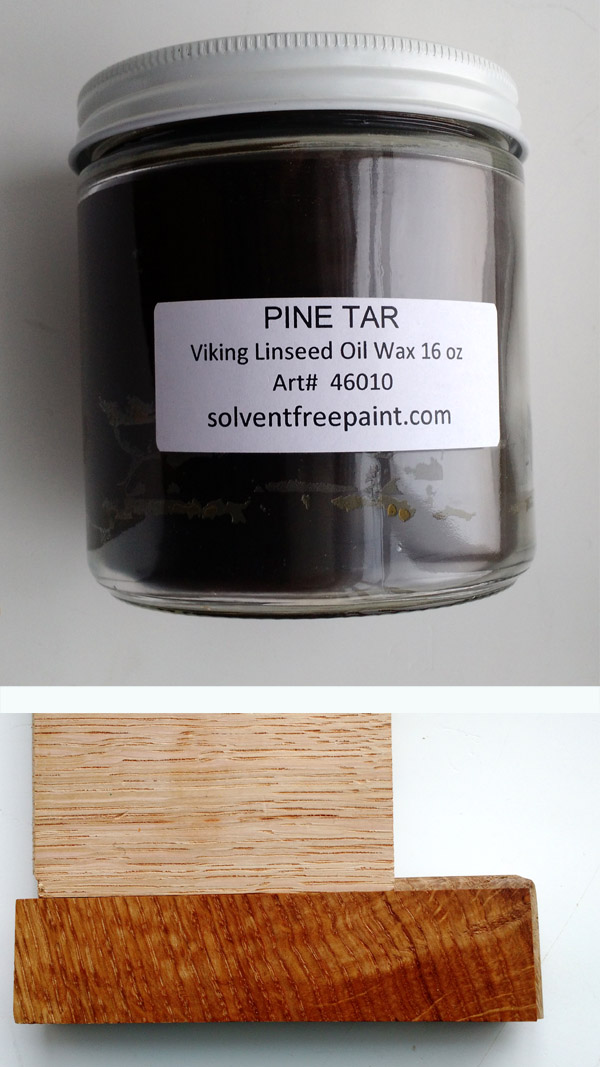
New! For pine tar lovers.
Fantastic maintenance wax mainly for wood. Organic. Made with
purified linseed oil, pine tar and bees wax. 16oz. covers
approximately 200 sq. ft.
16 Oz. Container
#46010 Price: $29.50
Auson Pine Tar Vitriol - New England Gray / 0.85 Gallon /
3 Liters
# 90473 Price: $89.00
The natural product Pine Tar Vitriol has quickly become a
popular product among architects and consumers who crave for
a stylish gray color to modern wooden houses and buildings,
sheds, fences and patio construction and much more.
Natural
colors, furniture and interior are extremely popular in our
homes today. And it also applies to the materials we use in
house construction and renovation. Our Pine Tar Vitriol is
made from substances found naturally in the forests, hence
it adds substances that the wood needs to protect itself against
rain and moisture.
Auson
Pine Tar Vitriol is produced by dry distillation of wood,
mainly pine. Gum turpentine is used as a solvent which is
also extracted from wood. By supplying natural substances
that the tree itself uses as protection, the material acquires
an efficient wood protection against everything that could
destroy the wood surface.
Based on the substances that have formed naturally in the
forest and are produced by dry distillation of wood, mainly
pine.
Can be used on wood previously treated with tar vitriol and
on untreated or previously tarred wood.
Leaves a beautiful wooden structure with a stylish gray tone
to suit modern houses and wooden buildings.
Give the wood constructions an impregnation that prevents
moisture from penetrating the wood yet still allows it to
breathe. Prevents wood from drying out and cracking.
Contains balsam turpentine, a natural product made from pine).
Use caution. Apply outside only.
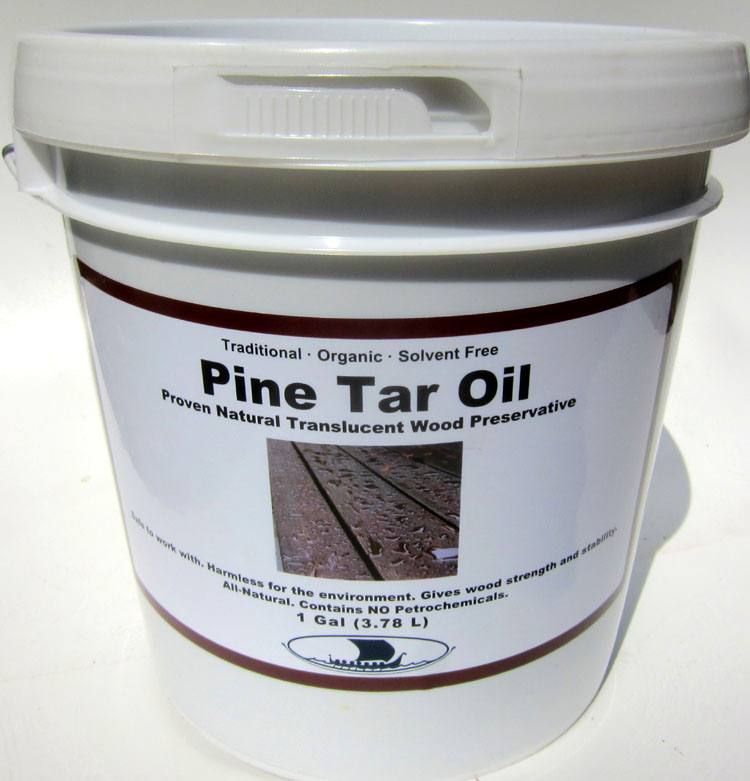
Pine Tar Oil Wood Preservative
New! ...and Produced at
our facility in New York
State!
Produced at our facility in New York. Proven natural translucent
wood preservative. Safe to work with. Harmless for the environment.
Gives wood strength and stability. Pine tar oil is made with 15% Dark Pine Tar and 85% Purified
Raw Linseed oil. All-Natural. Contains NO
Petrochemicals.
1 Gallon
#94600 Price: $79.00
PINE TAR STAIN is enhanced with iron oxide / carbon pigments
for durability to withstand strong UV exposure. Pine Tar Stain has
a very good penetration on rough cut timber and allows wood to breathe.
Thinning with organic purified linseed oil gives faster penetration,
less stickiness and a matte surface. Apply as warm as possible for
a faster dry time. Like pine tar, organic linseed oil is a live
material and will interact with the wood surface. When the surface
looks dry, apply a thin warm coat of the organic
boiled linseed oil.
Pine Tar Stain is an organic product extracted from pine roots by
burning. Color may differ in appearance from various batches. Mix
the estimated amount for the entire area to be covered. For best
results, perform application in hot weather.
IMPORTANT: The pigment will sink to the bottom of the container
in storage, therefore it is important to stir the contents thoroughly
to achieve uniform color on the surface. Stir during application
as well. Finish the entire surface of a wall in order to avoid uneven
shades of color.
IMPORTANT: PLEASE READ OUR PAINTING INSTRUCTIONS.
Iron Vitriol - New England Gray / 10 lb. Bag (Economy.
Mix powder in hot water and apply.)
# 83419 Price: $75.00
Iron
vitriol gives patina and a certain protection. Iron vitriol
powder is dissolved in hot water. The mixture is applied onto
new timber with a paint brush. After a few months, the wood
is gradually changing color and assume a gray shade - the
stronger the concentration, the darker wood. Iron vitriol
is an outdoor product and should not be used indoors. Treatment
need not be repeated.
Recipe:
10 lb of Vitriol powder dissolved in 24 gallons of warm water
is enough for about 2000 sq ft of surface area. You can add
a small amount of the light or dark pine tar to the solution
as well as some organic raw linseed oil. The organic raw linseed
oil added will prevent the wood from cracking. The organic
raw linseed oil will darken the color.
Great variations can be created by adding more or less of
the light pine tar and organic raw linseed oil. Iron Virtriol
itself is colorless so the gray color comes with time.
This is an effective and very economical water-based wood
product composed of minerals and natural plant substances.
Wood treated with iron vitriol has flame retardant properties
and improved resistance to rot.
Free from hazardous heavy metals, biocides and solvents classified
as Good environmental nature protection.
Treated wood gets a bright, smooth surface that ages beautifully
with time aging to a natural silver-gray.
Ideal for use on wood siding, decks, docks, fences, wall
panels, furniture etc.
Always do a test to avoid unwanted results on you final project.
Material Specifications for Pine Tar
Our
Pine Tar is characterized as a pine tar of high quality and contains
all ingredients of rosin and fatty acids and their conversion products
such as rosin oil, oxidized esters, high-boiling terpenes and fatty
alcohols, et cetera.
Density at 20° Celsius: 1,030 kg per cubic meter
Viscosity at 20° Celsius: 650 cP
Water: 0.5 %
Volatile acids/(acetic acid): 0.2%
Acid number: 50
Flash point: 248 F
Color: dark brown
More
About Genuine Pine Tar
Pine tar is a vegetable liquid obtained from the wood of various
trees of the family Pinaceac by distillation. Using a process that
is centuries old, pine stumps and roots are burned very slowly in
special kilns. This pine tar is a resin rich liquid that is extracted
from the bottom of the kiln. This is authentic Stockholm tar.
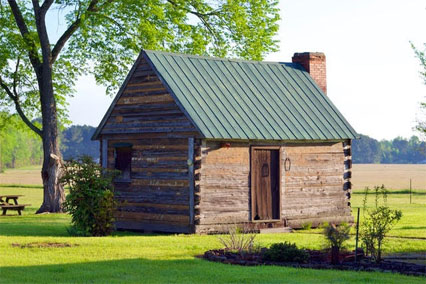
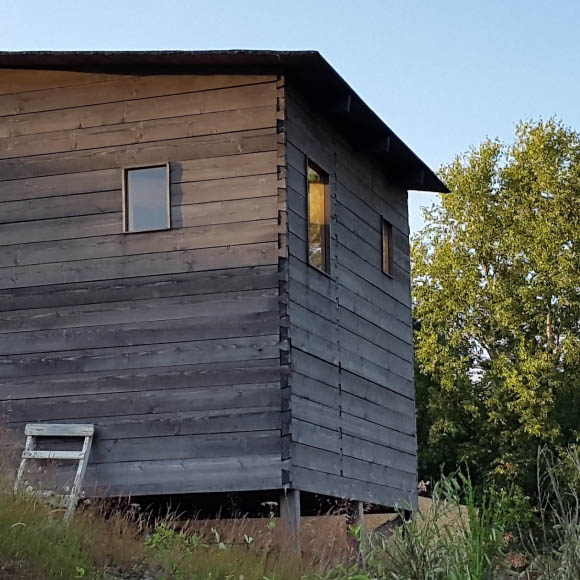
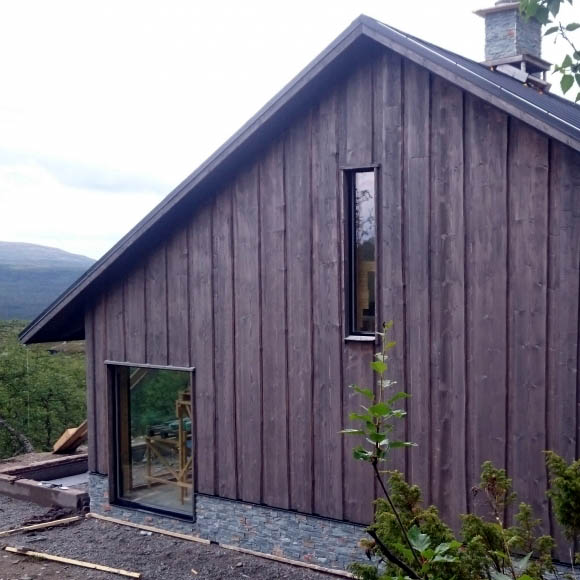
The product is still used to a great extent for wooden constructions
such as shingles, bridges, boats, barges and cottages. The Swedish
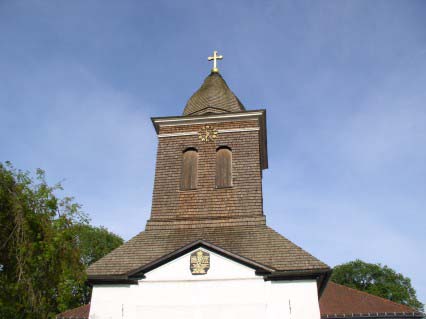
Cultural Management recommends pine tar as surface treatment of
wooden church roofs and other cultural buildings made of wood. There
are examples of stave churches that have been preserved with pine
tar for nearly a thousand years with very few intervals of maintenance.
It is also used for veterinary purposes, in hoof moisture retention
of horses, cattle and sheep and for pharmaceutical purposes as treatment
of different kinds of skin diseases. Pine tar can be found as an
ingredient in shampoos, soaps, and expectorants and in ointments
against allergic rash, psoriasis and eczema, among others. Another
different field of application of pine tar is as a softener when
manufacturing rubber tires.
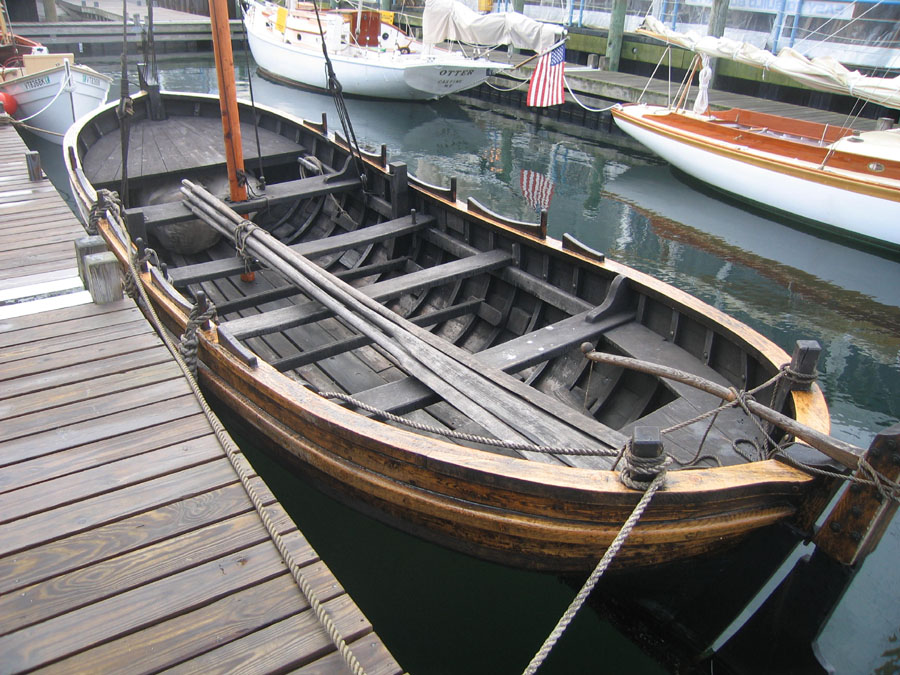
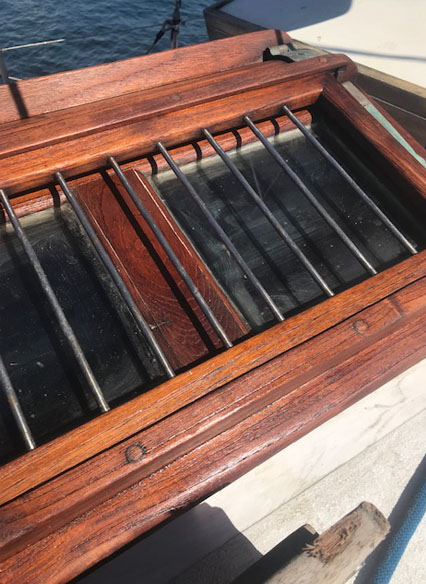
Pine tar was the choice for boat builders for hundreds of years.
We now offer the old type pine tar again. Pine tar with the organic
linseed oil mixture makes for excellent wood protection on boats
as well as on wood shingle roofs. This photo below was taken at
the Mystic Seaport Wooden Boat show in 2008:
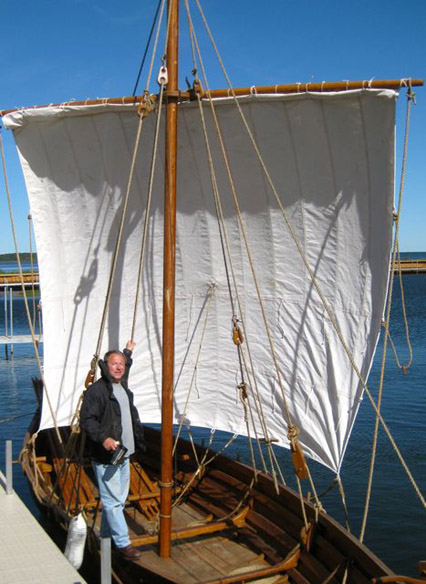
This is a reproduction of a Viking ship using only pine tar and
linseed oil:
The Dark Pine Tar and Purified Raw Linseed Oil creates an
excellent UV protection for wood in any marine environment.
Does not peel, crack or cause wood failure
Warm, mix 50/50 well and apply a thin coat. Clean with
our Linseed Oil Soap if needed.
Only reapply when the surface starts to look dry.
Traditional Wood Treatment
This is Dark Pine Tar, Silver Gray Linseed Oil Paint
and Purified Raw Linseed Oil mixed together (pictured below). Very
traditional wood treatment that lasts for a long time.
Maintain with mainly the Purified raw linseed oil when
the surface starts looking dried out. This will never peel
or damage the wood when maintained:
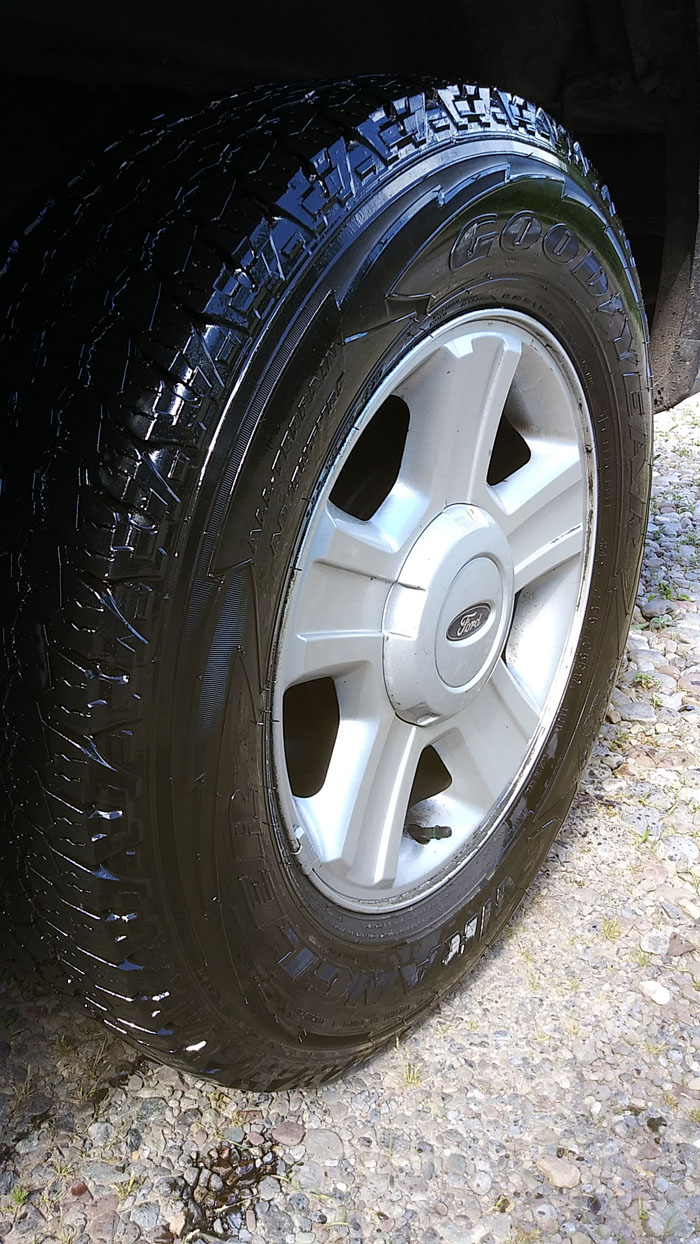
Preserving Rubber Tires with Pine Tar
Real Pine Tar and Purified Raw Linseed Oil used
for preserving rubber tires. Excellent UV protection.
Use 20-50% purified raw linseed oil mixed with dark
pine tar or black pine tar. Let dry for a few days before
driving.






 Home
Home
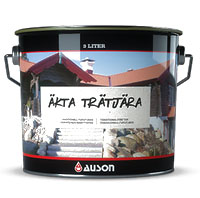 Pine Tar "Dark"- 0.85 Gallon / 3 Liters Made
in SWEDEN. Contains: 100% pine tar. Applications:
Pine Tar "Dark"- 0.85 Gallon / 3 Liters Made
in SWEDEN. Contains: 100% pine tar. Applications: 
 55
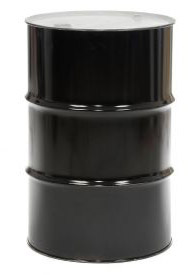
Gallon Drum / 440 lb "Dark" Pine Tar 20%
SAVINGS. (Low truck freight available.)
55
Gallon Drum / 440 lb "Dark" Pine Tar 20%
SAVINGS. (Low truck freight available.) 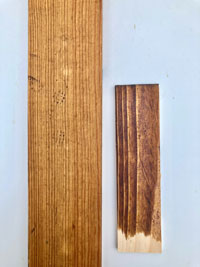 Light in color. Excellent wood preservative when mixed with our purified raw linseed oil. Great for soap making.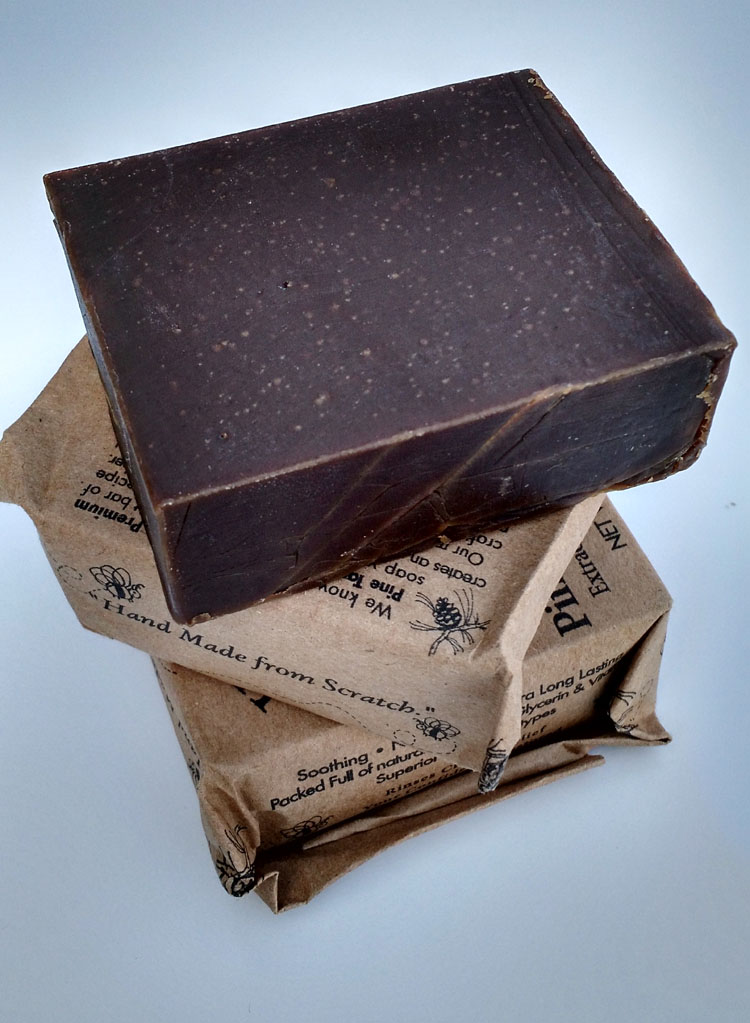
 Dalburnt
Pine Tar- 0.85 Gallon / 3 Liters
Dalburnt
Pine Tar- 0.85 Gallon / 3 Liters 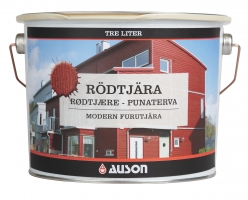 Red
Pine Tar Stain - 0.85 Gallon / 3 Liters
Red
Pine Tar Stain - 0.85 Gallon / 3 Liters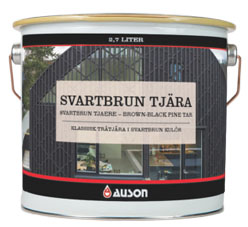 Black-Brown
Pine Tar Stain - 0.85 Gallon / 3 Liters
Black-Brown
Pine Tar Stain - 0.85 Gallon / 3 Liters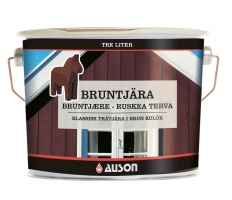 Brown
Pine Tar Stain - 0.85 Gallon / 3 Liters
Brown
Pine Tar Stain - 0.85 Gallon / 3 Liters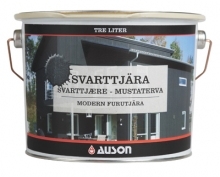 Black Pine Tar Stain - 2.7 Liters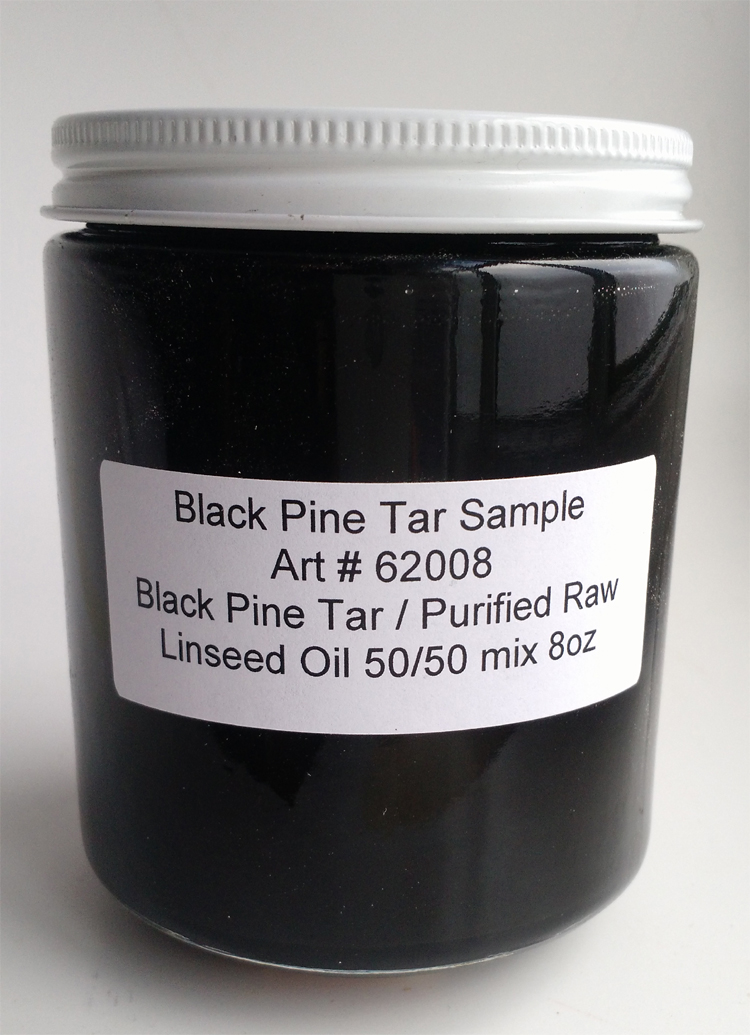
 Our
Pine Tar is characterized as a pine tar of high quality and contains
all ingredients of rosin and fatty acids and their conversion products
such as rosin oil, oxidized esters, high-boiling terpenes and fatty
alcohols, et cetera.
Our
Pine Tar is characterized as a pine tar of high quality and contains
all ingredients of rosin and fatty acids and their conversion products
such as rosin oil, oxidized esters, high-boiling terpenes and fatty
alcohols, et cetera.