|
More Information About
Purified Organic Linseed Oil Soap
 Using
Linseed Oil Soap: Using linseed oil soap is much safer than
using solvents like white spirit or turpentine to clean paintbrushes.
Solvents enter the body through your skin and damage your health.
In Denmark a disease "Painter's Dementia" is officially recognised
as being caused by solvents in, and associated with the use of alkyd
(or oil) paints. Using
Linseed Oil Soap: Using linseed oil soap is much safer than
using solvents like white spirit or turpentine to clean paintbrushes.
Solvents enter the body through your skin and damage your health.
In Denmark a disease "Painter's Dementia" is officially recognised
as being caused by solvents in, and associated with the use of alkyd
(or oil) paints.
We use linseed oil liquid soap for cleaning everything - paintbrushes,
floors, work surfaces, stain removal and personal hygiene. The soap
can be used for removing mildew as well. (If you are painting on
the cleaned surface make sure the surface is completely dry first).
Applications include:
- Paint brushes and hands:
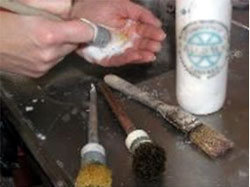
Mix soap with a little water. Work into brushes (see picture below)
and leave. Rinse with warm water; repeat if necessary
- For wooden floors:
take about 1 decilitre of the soap to a bucket of water. Scrub
and dry
- For other surfaces where dirt is ingrained:
Ovens, stoves, the car, kitchen work surfaces or stains on textiles.
Apply undiluted soap with a little water. Rub the surface and
leave. Rinse cloth with water or wash in washing machine.
For Preventing Mildew: To really fight and clean mold/mildew
spores from wood use this recipe (formally known as "LINSEED
SOAP EXTRA").
Mildew Prevention EXTRA Recipe:
1 Gallon warm water
1 Cup Linseed Oil Soap
½ Cup Ethyl Alcohol or grain alcohol (Avoid unhealthy Isopropyl Alcohol)
1-2 oz Boric Acid (Avoid Borax)
Note: Boric Acid is made from Borax. Borax can be used as a surface cleaner but does not offer the long-term mildew prevention that is needed but Boric Acid can. Boric Acid can penetrate into the grain of the wood, making it preferable in the Linseed Oil Soap EXTRA solution.
For cleaning: Apply onto heavy mold and let absorb into the wood
grain as you brush the surface. Let it also stay on the surface
for half an hour or so without drying. Rinse with a wet microfiber
cloth. Rinse the microfiber in warm water often.
For preventing mildew: Apply the Linseed oil soap EXTRA
onto the surface and let dry over night, then apply the linseed
oil paint. This primer can prevent mildew spores from penetrating
through the paint over time. View
step by step case study for removing severe mildew with linseed
oil soap.
Additional Applications: Linseed Oil
Soap can be used to remove soot buildup on the inside glass of a
fireplace.
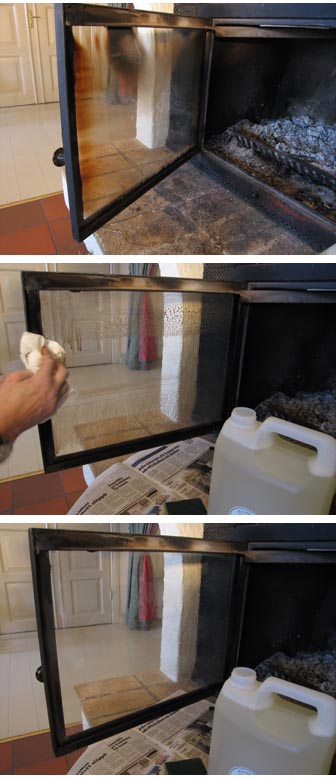
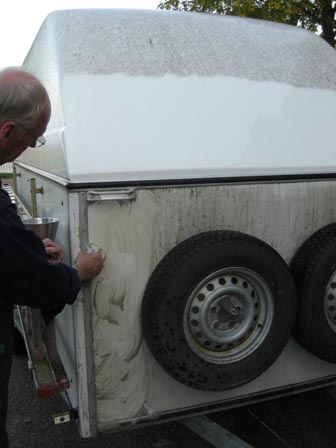
Linseed Oil Soap is also a very effective cleaner for mildew and
carbon build up on houses, trailers, Rv's, cars, boats etc. Apply
the soap directly on the surface with a few drops of water. Use
this excellent utility brush
for applying linseed oil soap on vertical surfaces and other uses.
Scrub and rinse with the garden hose.
Case Study: Boat
cockpit maintenance with organic linseed oil.
|






 Home
Home